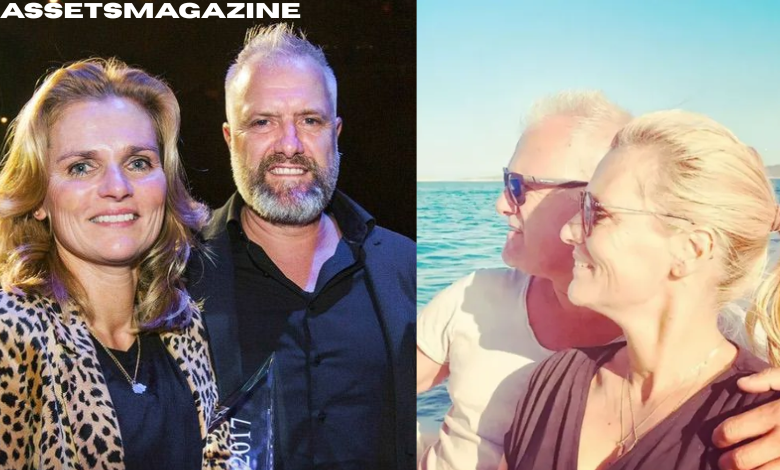
Keiko Fujimoto is primarily known because of her past marriage to Ramesh “Sunny” Balwani, a former executive at Theranos. Outside of this connection, she has not held a public role in business, media, or entertainment, and she has consistently remained outside public attention. Interest in her name increased significantly after the rise and fall of Theranos became global news. As investigations, court proceedings, and media coverage focused on key figures in the company, people began searching for background details about individuals connected to those figures. Fujimoto’s name surfaced in this context, even though she has never presented herself as a public personality. What is known about her is limited, and much of her life remains private by design. She is an example of someone indirectly drawn into public curiosity due to personal association rather than professional visibility.
Early Life and Background
Public information about Keiko Fujimoto’s early life is minimal. She is believed to have been born in Japan, with some accounts indicating Tokyo as her place of origin. However, many personal details such as her upbringing, education, and early career remain undisclosed. From what can be understood, she grew up in a culturally rich environment shaped by Japanese social and family values. Like many individuals who later choose private lives, her early years appear to have been focused on family structure, education, and personal development rather than public exposure. There is no verified record of her pursuing a public-facing career. Unlike individuals who later become associated with media attention or corporate influence, Fujimoto’s background does not indicate involvement in industries that typically generate public records or press coverage. This absence of documented history is not unusual for private individuals, especially those who lived most of their life before becoming indirectly connected to widely reported corporate events.
Personal Life Before Public Attention
Before her name became associated with corporate media coverage, Keiko Fujimoto lived outside public awareness. There is no indication that she sought publicity or participated in public business activities. People who maintain private lives often do so intentionally, and in Fujimoto’s case, available information suggests a consistent preference for privacy. This includes limited engagement with public platforms, media interactions, or professional publicity. Her life prior to public attention appears to have been stable and personal, focused on everyday living rather than public recognition. Unlike individuals in entertainment or corporate leadership, she did not build a public identity, which later contributed to the scarcity of available verified information about her.
Marriage to Sunny Balwani
A significant part of Keiko Fujimoto’s public association comes from her marriage to Ramesh “Sunny” Balwani, a Pakistani-American businessman who later became widely known for his role at Theranos. Sunny Balwani was once considered a rising figure in Silicon Valley circles, especially during the early 2000s and 2010s when the technology and startup ecosystem was rapidly expanding. Fujimoto and Balwani were married during a period when both were living in the United States. The relationship itself did not attract public attention at the time, and there were no major public reports or media coverage focusing on their private life during the marriage. The couple lived in San Francisco, a city closely connected to the tech industry. However, their marriage remained largely outside public visibility, and very little is documented about their personal life together. It is also important to note that Fujimoto was not involved in Theranos or any related corporate activities. Her connection to later public events is purely through her former spouse, not through professional engagement.
Divorce and Legal Proceedings
Keiko Fujimoto filed for divorce in February 2002. The proceedings took place in San Francisco County Superior Court. The divorce was finalized later that year, marking the end of the marriage. The separation did not involve public disputes or widely reported legal conflict. It was a private legal process, consistent with the limited public profile both individuals maintained at the time. The couple did not have children together. Following the divorce, Fujimoto did not remarry publicly, and there is no verified record of her entering another public relationship. After the divorce, both individuals moved in separate directions. While Sunny Balwani later became involved in the development and leadership of Theranos, Fujimoto stepped further away from any form of public visibility.
Life After Divorce: A Deliberate Step Back
After 2002, Keiko Fujimoto appears to have intentionally maintained a private lifestyle. Unlike individuals who remain connected to former spouses through media exposure or public commentary, she did not participate in public discussions or media narratives related to Balwani or Theranos. Her absence from public records suggests a clear preference for privacy. This includes limited digital footprint, no confirmed public interviews, and no engagement in public professional branding. In modern contexts, where many individuals connected to high-profile figures often become part of media coverage, Fujimoto’s case is different. She did not use her association for public attention and did not engage in public storytelling about her personal life. This choice has contributed to the limited amount of reliable information available about her current activities, residence, or professional status.
Public Interest Through the Theranos Story
Interest in Keiko Fujimoto increased significantly during the global reporting on Theranos and its leadership structure. As investigations unfolded and major figures were examined, public curiosity expanded beyond executives and investors to include personal relationships. Theranos became one of the most widely discussed corporate failures in recent history. As a result, individuals connected to its leadership were also drawn into public curiosity, even when they had no involvement in the company. Fujimoto’s name appeared in this context because of her past marriage to Balwani, not because of any involvement in business operations. This distinction is important, as it separates direct responsibility from indirect association. While media coverage focused heavily on corporate decisions, legal outcomes, and regulatory scrutiny, Fujimoto remained outside the narrative. She did not appear in court proceedings, public statements, or investigative reports in any official capacity.
Limited Verified Information and Privacy Considerations
One of the most defining aspects of Keiko Fujimoto’s public identity is the lack of verified information. Unlike public figures whose lives are documented through interviews, business records, or media profiles, her life is not widely recorded in public databases.
The available details generally include:
- Former spouse of Sunny Balwani
- Divorced in 2002
- No children from the marriage
- No confirmed public profession
- No confirmed current residence
- Private individual with minimal public presence
This limited profile reflects a conscious separation from public life. It also highlights how not all individuals connected to high-profile figures become public personalities themselves.
In many cases, media attention can extend to family members or former partners of public figures. However, Fujimoto’s situation demonstrates how a person can remain outside that system by maintaining privacy and avoiding public engagement.
Understanding Her Place in a Larger Narrative
Keiko Fujimoto’s story is not centered around public achievement, corporate involvement, or media presence. Instead, it is a personal history that briefly intersects with a much larger corporate narrative. Her connection to Sunny Balwani places her indirectly within the broader discussion of Silicon Valley history and the Theranos case. However, her role in that story is limited strictly to personal association, not participation. This distinction is important when understanding her place in public discussion. Many names appear in historical or corporate contexts without being active contributors to those events. Fujimoto is one such example.
Conclusion
Keiko Fujimoto remains a private individual whose name became publicly recognized through association rather than personal visibility. Her life reflects a consistent preference for privacy, even when connected to a figure involved in one of the most widely reported corporate scandals of recent years. Her marriage to Sunny Balwani represents the only widely documented connection to public events. Beyond that, her personal and professional life remains outside public records. In a digital environment where information is often widely accessible, her case demonstrates that it is still possible for individuals to remain largely outside public documentation. As a result, Keiko Fujimoto continues to be a name of interest primarily because of historical association, not public activity.