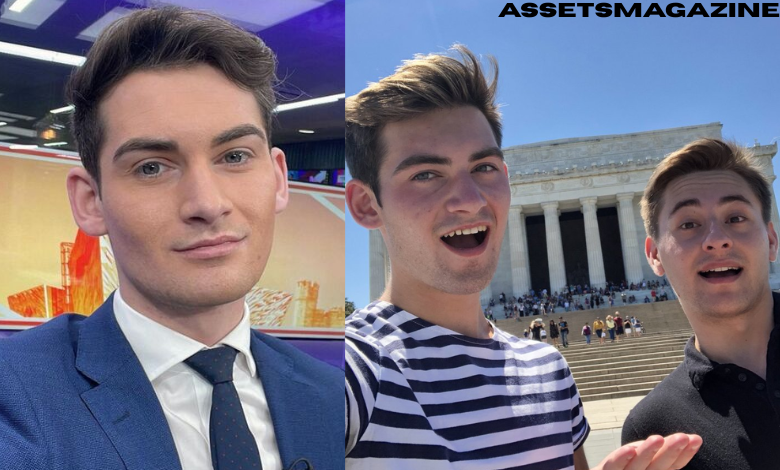
Taylor Breesey is a social media personality who has attracted attention mainly through short-form content and online engagement rather than traditional media appearances. Among the many discussions surrounding her, one recurring topic is the curiosity about the “Taylor Breesey face.” This phrase has become a search trend and a talking point across platforms where audiences try to understand more about her identity, appearance, and the decision to present herself in a particular way online. The interest in her face is not just about physical appearance. It reflects a wider pattern in digital culture where partial anonymity can increase attention, engagement, and speculation. In Taylor Breesey’s case, this curiosity has become part of her online presence itself.
Who is Taylor Breesey
Taylor Breesey is known as a modern digital content creator who gained visibility through consistent activity on social platforms. Her content style focuses on personality-driven engagement rather than heavily produced or commercialized presentation. This approach has helped her connect with audiences who prefer relatable and informal creators. Instead of relying on traditional celebrity exposure, she operates in the space where identity is partly visible and partly private. This balance has shaped how audiences perceive her and has led to ongoing interest in her personal image, especially her face and how much of it is shared publicly. The question “who is Taylor Breesey” often appears alongside searches about her appearance, indicating that identity and visual representation have become closely linked in her public perception.
Rise of Attention Around Taylor Breesey Face
The discussion around Taylor Breesey’s face did not begin as a planned campaign. It emerged naturally through audience behavior. In social media environments, viewers often become curious when a creator does not fully reveal their identity or maintains selective visibility. In Taylor’s case, clips, photos, or videos that only partially show her appearance encouraged speculation. Over time, this led to repeated discussions, comments, and searches focused on her face. As more people engaged with this topic, algorithms on platforms further amplified it, showing her content to wider audiences. This cycle is common in digital culture. Once a subject becomes a point of curiosity, engagement increases, and platforms respond by distributing the content more widely. The “Taylor Breesey face” trend is an example of how audience interest can shape visibility without any formal marketing strategy.
Why the Face Becomes a Central Topic
The focus on a creator’s face might seem simple, but it plays a deeper role in online behavior. Human attention is strongly visual. When a full image is not available or is only partially shown, the mind naturally tries to complete the missing information. In Taylor Breesey’s case, this incomplete visual identity has become a central discussion point. Viewers try to understand her expressions, personality, and real-life appearance based on limited visual cues. This curiosity is not unique to her. Many online creators who maintain partial anonymity experience similar attention. The difference is that in Taylor’s case, the topic itself has become part of her identity in public discussion.
The Role of Anonymity in Social Media Growth
Anonymity or partial anonymity can function as a powerful tool in digital branding. When audiences do not have full access to a creator’s appearance or identity, engagement often increases instead of decreasing. Taylor Breesey’s online presence demonstrates this effect. By not fully revealing every aspect of her face or personal life, she creates space for interpretation. This leads audiences to spend more time engaging with her content, discussing it, and sharing it with others.
There are several reasons why anonymity can be effective:
- It creates curiosity
- It increases repeat engagement
- It allows controlled self-presentation
- It protects personal boundaries
In a digital environment where oversharing is common, limited visibility can stand out more than full exposure.
Audience Psychology Behind the Curiosity
The interest in Taylor Breesey’s face can also be explained through basic audience psychology. People are often drawn to stories that feel unfinished or partially revealed. When something feels partially hidden, the brain attempts to fill in the gaps. This is closely related to curiosity-driven engagement. In social media contexts, this means users are more likely to click, comment, and search for content when they feel they are missing information. In addition, there is a concept known as parasocial interaction. This refers to one-sided relationships where audiences feel connected to a public figure even without direct interaction. When a creator maintains partial anonymity, these parasocial connections can become even stronger because viewers project their own interpretations onto the limited information available. Taylor Breesey’s situation fits into this pattern. The less that is revealed, the more some audiences try to imagine or interpret what is not shown.
Social Media Identity and Controlled Visibility
Modern influencers often face a balance between visibility and privacy. Full exposure can bring recognition but also loss of personal boundaries. Controlled visibility, on the other hand, allows creators to manage what parts of their identity are public. Taylor Breesey’s approach reflects this controlled model. By keeping certain aspects of her face or identity less exposed, she maintains a level of privacy while still engaging with a wide audience. This strategy also changes how branding works. Instead of relying on complete visual identity, the brand becomes tied to personality, tone, and interaction style. In this case, the “face” becomes less about physical features and more about presence and perception.
Public Discussion and Online Interpretation
Online discussions about Taylor Breesey’s face vary widely. Some users focus on trying to identify her appearance, while others are more interested in her content style and personality. There are also those who view the mystery as intentional branding. This range of interpretation is common in digital environments. Once a topic becomes widely discussed, it develops multiple narratives. Each user or viewer may interpret the same content differently based on their expectations. Importantly, much of the discussion is speculative rather than factual. This shows how online narratives often grow beyond the original content itself and become shaped by audience imagination.
The Impact of Viral Curiosity
When a topic like “Taylor Breesey face” begins trending, it can significantly increase visibility for a creator. Even people who are not regular followers may become aware of her through search trends or shared discussions.
This type of viral curiosity works in a feedback loop:
- A small group becomes curious
- Searches and discussions increase
- Platforms amplify the content
- More users are exposed
- Curiosity expands further
Over time, the original content becomes less important than the discussion surrounding it. In Taylor Breesey’s case, the curiosity about her face has become part of her broader online identity.
Identity, Privacy, and Digital Boundaries
One of the underlying themes in this discussion is the relationship between identity and privacy in digital spaces. Creators today often face pressure to share more of their personal lives than they may want to. By maintaining some distance between her public content and private identity, Taylor Breesey reflects a growing trend among online personalities who prefer controlled exposure. This approach raises questions about how much of a creator’s identity needs to be visible for them to be successful. In many cases, audiences are just as engaged with partial identities as they are with fully visible ones.
Why the Topic Continues to Grow
The continued interest in Taylor Breesey’s face is not only about curiosity but also about repetition. Each time the topic is discussed online, it gains more visibility. New audiences discover it, and older audiences revisit it. This repetition keeps the topic alive even without new developments. In digital culture, sustained attention often matters more than new information. As long as the content remains engaging and the identity partially unexplored, the discussion is likely to continue.
Conclusion
The attention around Taylor Breesey’s face is a clear example of how digital identity works in modern social media environments. It shows how curiosity, anonymity, and audience psychology interact to create sustained interest in a public figure. Rather than being only about appearance, the topic reflects broader themes such as privacy, controlled visibility, and the way audiences engage with incomplete information.Taylor Breesey’s online presence demonstrates that in the digital age, sometimes what is not shown can generate as much attention as what is shown.