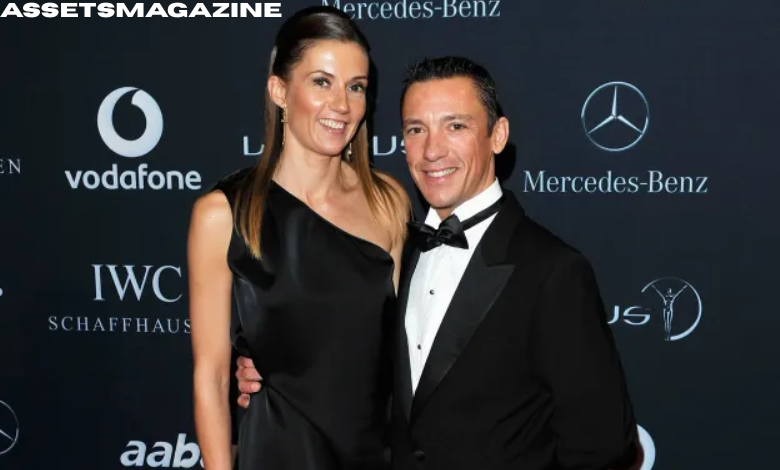
Helen McConnell is known for her work in sports media and for her connection to professional football through her marriage to footballer Jonny Evans. Her public presence developed gradually through her career in broadcasting rather than through sudden exposure or a single defining event. Over time, Helen McConnell became a familiar name in football-related media environments, especially within Northern Ireland and the broader UK sports community. Her story is not one of rapid rise or manufactured visibility. Instead, it reflects steady professional development, shaped by her upbringing in Northern Ireland, her exposure to football culture, and her work in sports communication. Helen McConnell’s life combines personal discipline, media experience, and a strong connection to football through both career and family.
This article looks at Helen McConnell’s background, education, professional path, and personal life, focusing on how these elements connect to form her public identity.
Early Life and Background of Helen McConnell
Helen McConnell was born and raised in Northern Ireland. Her upbringing took place in a structured household where community values and routine played a central role. Her father, Reverend Kenneth McConnell, served as a Presbyterian minister, and this background contributed to a disciplined and grounded family environment. Growing up in Northern Ireland also meant being close to football culture. The sport holds a strong place in local communities, and Helen McConnell was exposed to it from an early age. Matches, discussions, and local sporting interest formed part of everyday life, shaping her familiarity with football long before she entered a professional environment connected to the sport.
This early exposure is important when understanding Helen McConnell’s later career choices. Rather than approaching sports media as an outsider, she already had an understanding of how football functions within communities, how fans engage with it, and how deeply it is tied to identity in Northern Ireland.
Education and Early Interests
Helen McConnell’s education followed a path that supported communication and media-related interests. While specific academic details are not widely publicized, her professional direction suggests training or study connected to media, journalism, or broadcasting. During her formative years, she developed skills that would later support her work in sports presentation. These include communication, public engagement, and confidence in structured media environments. Her early interests aligned naturally with sports, particularly football, which later became a central focus of her professional life.
Her background gave her both familiarity with sport and the ability to communicate clearly about it. This combination would later become important in her broadcasting work, where clarity and audience connection are essential.
Entry into Sports Media
Helen McConnell’s entry into sports media came through gradual involvement rather than sudden opportunity. She began working in environments connected to sports broadcasting, where she built experience in presenting, reporting, and contributing to football-related content. Sports media requires more than knowledge of the game. It demands timing, communication skills, and the ability to interact with athletes and audiences in a professional setting. Helen McConnell developed these abilities over time, working within structured media environments.
Her work included presenting segments, engaging in football discussions, and contributing to broadcast content that focused on teams, players, and match analysis. Through this work, she became part of a media ecosystem that connects fans with the sport beyond the pitch.
Helen McConnell in Football Broadcasting
Helen McConnell’s most recognized professional role is within football broadcasting. She worked as a presenter and contributor in sports-focused media settings, where her responsibilities included interviews, reporting, and presenting football-related content. Her approach is often described as professional and straightforward. She does not rely on theatrical presentation but instead focuses on clear communication and structured discussion. This style fits well within modern sports broadcasting, where audiences expect direct and informative coverage.
Her presence in football media also reflects her understanding of the sport from both cultural and professional perspectives. Being from Northern Ireland, where football is deeply rooted in community identity, helped her connect naturally with both players and audiences.
Connection to Football Through Family Life
Helen McConnell’s public identity is also shaped by her marriage to professional footballer Jonny Evans, an established defender in English football. Evans, born in Belfast in 1988, has played at the highest levels of the game, including for Manchester United and the Northern Ireland national team. Through this connection, Helen McConnell became more visible in football circles, although she maintained a separate professional identity in media work. Her relationship with Evans placed her closer to elite-level football environments, but her own career continued independently in broadcasting.
Their shared background in Northern Ireland also created a natural connection. Both grew up in environments where football played a central role, and both progressed into professional spaces linked to the sport, though in different ways.
Marriage and Personal Life
Helen McConnell’s marriage to Jonny Evans marked a shift in her public visibility. While she was already active in sports media, her association with a Premier League footballer increased public interest in her life. Despite this attention, she has maintained a balanced approach to privacy. Her public presence remains connected to her professional work rather than personal exposure. This separation between career and private life is a consistent feature of her public identity.
Family life became an important part of Helen McConnell’s priorities after marriage. She has balanced professional responsibilities with parenting and household life, adapting to the demands that come with being connected to professional sport through family. Her role as a parent also influenced her perspective on time, work, and public engagement. Rather than expanding her public profile significantly, she maintained a controlled and steady presence in media environments.
Professional Identity and Media Work
Helen McConnell’s career in sports media reflects consistency rather than rapid change. She has worked in roles that involve presenting, reporting, and contributing to football coverage. These roles require preparation, awareness of sporting context, and the ability to communicate clearly under structured broadcasting conditions. Her professional identity is not built around celebrity status. Instead, it is based on participation in sports media production and communication. This places her in a category of professionals who support the sports industry without being the central focus of attention.
Over time, Helen McConnell’s work has been associated with football broadcasting environments where accuracy and clarity are more important than personal visibility. Her contribution sits within the broader system that connects football clubs, players, and audiences.
Public Image and Media Attention
Helen McConnell’s public image has developed gradually. She first appeared in media coverage through her work and later through references linked to football reporting and marriage announcements. There was no single defining event that created her public profile. Instead, her visibility increased over time through consistent association with football-related environments. This includes media work and her connection to a professional footballer at a well-known club.
Importantly, Helen McConnell has not actively pursued high public exposure. Her approach suggests a preference for maintaining professional boundaries while remaining active in her field. This has contributed to a stable and low-intensity public profile.
Life in the Context of Modern Football Culture
Modern football culture extends beyond the pitch. It includes media, broadcasting, analysis, and personal narratives connected to players and their families. Helen McConnell exists within this broader environment through both her career and personal life. Her role reflects how sports media professionals contribute to shaping how football is presented to audiences. At the same time, her connection to Jonny Evans places her within the wider social structure of professional football. This dual position—media professional and partner of an elite athlete—gives her a perspective that connects both sides of the sport: communication and performance.
Helen McConnell and Balance Between Public and Private Life
One of the defining aspects of Helen McConnell’s life is balance. She has maintained a professional role in media while managing personal responsibilities connected to family life. This balance is not unusual in sports media, but it becomes more visible when linked to professional football. Public interest in athletes often extends to their families, yet Helen McConnell has maintained a controlled and measured public presence. Her approach shows a clear separation between work identity and personal identity. She participates in media work when required but avoids turning private life into a public focus.
Broader Significance of Her Career Path
Helen McConnell’s career reflects a broader pattern in sports media where professionals build steady careers without becoming central public figures. Her path shows how individuals can contribute meaningfully to sports broadcasting without seeking high visibility. Her background in Northern Ireland, her exposure to football culture, and her professional experience in broadcasting all combine to shape her role in the sports media landscape. At the same time, her connection to Jonny Evans and his career in top-level football adds another dimension to her public identity, linking personal life with professional sport.
Conclusion
Helen McConnell represents a form of public figure shaped by steady work, cultural background, and personal connection to sport. Her life is not defined by sudden attention but by gradual development in sports media and a consistent presence in football-related environments. From her upbringing in Northern Ireland to her professional work in broadcasting and her family life connected to elite football, Helen McConnell’s story reflects balance and continuity. Her identity sits at the intersection of media and sport, shaped by both career and personal experience. Rather than focusing on visibility, her path shows how individuals can build meaningful roles within sports culture through consistent contribution and professional focus.