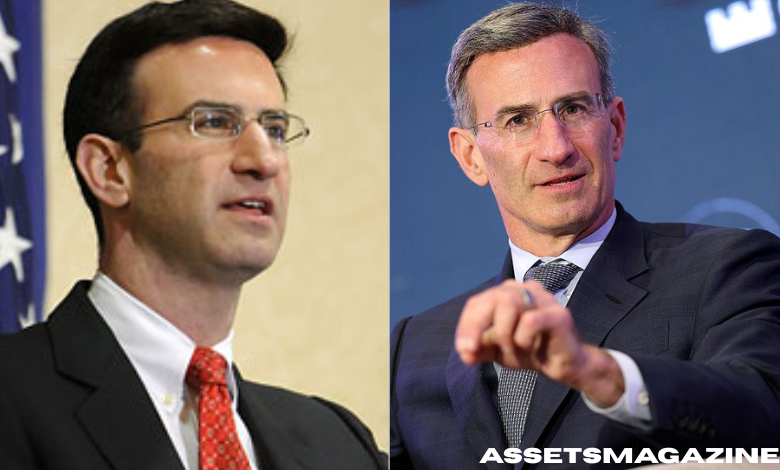
Peter Orszag is an American economist, public policy expert, and business executive known for his work in government and finance. Over the course of his career, he has held senior roles in economic policy and advisory leadership, including serving as Director of the Office of Management and Budget under President Barack Obama and later taking on senior positions in global finance. Today, he serves as CEO of Lazard, a major financial advisory and asset management firm. Alongside his professional profile, Orszag’s public visibility has also led to interest in his personal appearance. One recurring search term online is “Peter Orszag wig,” reflecting curiosity about changes in his hair over time. This interest is not unique to him; many public figures in politics, business, and media face similar attention when their appearance shifts with age or style changes.
This article looks at Peter Orszag’s background, why appearance-based discussions emerge around public figures, and how online narratives like this develop.
Who Is Peter Orszag?
Peter Richard Orszag was born on December 16, 1968, in Boston, Massachusetts. He grew up in an academically focused environment that emphasized education and analytical thinking. That foundation shaped his later career in economics and public policy. He attended Phillips Exeter Academy, a well-known preparatory school in the United States, before moving on to Princeton University. His academic path continued at the London School of Economics, where he completed advanced study in economics.
Orszag first gained major public attention through his work in economic research and government policy. He held leadership positions in key U.S. institutions, including:
- Director of the Congressional Budget Office (CBO)
- Director of the Office of Management and Budget (OMB) under Barack Obama Barack Obama
In these roles, he focused on federal budgeting, fiscal policy, and long-term economic planning.
Later in his career, he transitioned into the private sector and became CEO of Lazard, a leading financial advisory and asset management company. His career path reflects a combination of academic economics, government policy leadership, and financial industry experience.
Public Life and Visibility
As a senior government official and later a financial executive, Peter Orszag has frequently appeared in media coverage, interviews, and public forums. This level of visibility naturally places individuals under closer public observation than private professionals. In roles tied to national economic policy, appearance becomes part of a broader public image. Analysts, journalists, and audiences often see policymakers regularly on television, in hearings, and at conferences. Over time, even small changes in appearance can become noticeable to viewers. Orszag’s transition from government service to financial leadership did not reduce public attention. If anything, leadership in a global firm like Lazard maintains a high level of visibility within business and financial media.
The Origin of “Peter Orszag Wig” Searches
Search terms like “Peter Orszag wig” typically arise from public curiosity about changes in hair density, grooming style, or age-related appearance differences.
In Orszag’s case, discussions online are generally based on:
- Differences in hair appearance across years of public photos
- Natural aging and possible thinning hair
- Variations in lighting, camera angles, and styling
- General curiosity about high-profile individuals
It is important to note that there is no confirmed public statement from Orszag addressing the topic of wigs or hairpieces. Most of the interest comes from observation rather than verified information. In many cases, similar search trends appear around politicians, executives, actors, and broadcasters. Hair-related speculation is one of the most common forms of appearance-based public curiosity.
Reasons Appearance Becomes a Topic of Discussion for Public Figures
Public figures often experience attention that extends beyond their professional work. This includes interest in clothing, speech patterns, lifestyle, and physical appearance.
There are several reasons this happens:
Constant Visual Exposure
People who appear frequently in media become visually familiar. Even minor changes over time become noticeable.
Age and Time Progression
As individuals age, natural changes such as hair thinning or greying can lead to comparisons with earlier photos.
Media Repetition
Repeated use of older images alongside newer ones can amplify perceived differences.
Online Search Behavior
Search engines reflect collective curiosity. Once a phrase like “Peter Orszag wig” begins appearing in searches, it continues to surface due to algorithmic reinforcement.
Peter Orszag’s Career Focus Remains Central
Despite online curiosity about appearance, Orszag’s professional work remains the defining aspect of his public profile. At the Lazard, he is involved in high-level financial advisory work, including mergers, restructuring, and strategic economic guidance for major clients. His earlier government roles, especially as Director of the Office of Management and Budget, placed him at the center of U.S. fiscal decision-making during a critical economic period. He also led the Congressional Budget Office, where he was responsible for providing independent budget analysis to Congress. These positions require technical expertise, policy understanding, and long-term economic forecasting.
Understanding Public Curiosity vs. Verified Information
When a search term like “Peter Orszag wig” appears frequently, it does not necessarily reflect factual reporting. Instead, it often reflects:
- Visual comparison by audiences
- Speculative discussion on social platforms
- General interest in celebrity and executive appearances
There is a difference between:
- Observed change: A visible difference in appearance over time
- Verified information: Confirmed details supported by statements or documentation
In Orszag’s case, only the former exists in public discussion. No official or verified explanation regarding wigs or hairpieces has been provided.
Media and Online Narrative Formation
Online narratives often develop in a predictable way. A single observation can grow into repeated search behavior, which then becomes a keyword trend.
The process usually follows this pattern:
- A public figure appears in different stages of life
- Audiences notice visual differences
- Discussions begin on forums or social media
- Search engines register repeated queries
- The phrase becomes a trending keyword
Once established, the keyword continues to circulate even without new developments. This pattern applies not only to Peter Orszag but also to many individuals in politics, entertainment, and business.
The Role of Aging in Public Perception
Aging is one of the most visible factors in long public careers. Hair density, hairline shape, and grooming style naturally change over time. For professionals like Orszag, who have been in public view for decades, these changes are simply part of long-term visibility. However, audiences who encounter images from different time periods may interpret these changes differently. It is common for executives and politicians to be compared across decades of photographs, which can exaggerate perceived differences.
Separating Personal Curiosity from Professional Identity
While curiosity about appearance is common, it is important to distinguish it from professional identity.
Peter Orszag’s career is defined by:
- Economic policy leadership
- Fiscal analysis and budgeting expertise
- Financial advisory and executive decision-making
His role as CEO of Lazard involves strategic financial leadership rather than personal public performance. Public discussions about appearance do not change the substance of his professional record.
Conclusion
The search term “Peter Orszag wig” reflects a broader pattern of public curiosity about visible changes in well-known individuals. In Orszag’s case, this curiosity exists alongside a long and established career in economics, government policy, and financial leadership. As a former director of key U.S. budget institutions and current CEO of Lazard, his professional contributions are well documented and widely recognized. Appearance-based discussions remain speculative and are not supported by any confirmed public statements. Ultimately, the interest in his hair or appearance says more about how public attention works than about the individual himself. In high-visibility roles, even small visual changes can become topics of online discussion, while the professional record remains the most substantive part of the public profile.