Gianluca Cugnetto is a name that appears mainly in hospitality industry circles and occasional media coverage connected to high-profile personal associations. Unlike public-facing celebrities or entertainment figures, his professional identity has been shaped in hotel operations, management strategy, and international service environments rather than public publicity. Understanding who he is requires focusing less on personal exposure and more on the structure of his career: hotel leadership, international mobility, and a steady rise through the operational side of luxury hospitality. His profile reflects a professional who built credibility through work performance rather than public branding.
This article examines his background, career development, leadership approach, and the way his private life has occasionally intersected with public curiosity.
Early Background and Foundations
Gianluca Cugnetto’s early life is not widely documented in public records, which aligns with his generally private professional profile. What is known through hospitality industry references suggests that he developed an early interest in structured service environments and customer-focused work. From a young age, he was exposed to values such as discipline, consistency, and attention to detail. These are often essential traits in hospitality careers, especially in hotel operations where service quality depends on coordination between multiple departments.
Rather than entering hospitality through sudden opportunity, his path appears to have developed gradually. Entry-level experience in hotel environments typically includes exposure to front office duties, guest services, and operational coordination. These roles often serve as the foundation for later leadership positions in hotel management. This early stage of his development is important because hospitality is not a career that rewards speed alone. It requires long-term consistency, and that pattern becomes visible in his later professional progression.
Entry Into the Hospitality Industry
Cugnetto’s professional journey is rooted in the hotel sector, where he worked across different roles that contribute to daily hotel operations. The hospitality industry, especially in luxury segments, is structured around layered responsibilities. These include guest experience management, staffing coordination, food and beverage operations, and financial oversight. In this environment, professionals build careers step by step. A strong performer in early operational roles may gradually move into supervisory positions, and eventually into executive leadership.
Industry references suggest that Cugnetto followed this typical progression. Rather than focusing on visibility, he focused on operational reliability—ensuring that hotel systems functioned efficiently and guest expectations were consistently met. His work would have involved collaboration with multiple departments, including housekeeping, front desk management, restaurant operations, and senior hotel administration. This type of environment requires both structured thinking and adaptability, especially in luxury hospitality where guest expectations are high and often unpredictable.
Development Into Management Roles
As his career progressed, Gianluca Cugnetto moved into more senior management positions within hotel organizations. In hospitality, this stage marks a shift from task execution to leadership responsibility. Hotel managers are responsible for overseeing both operational efficiency and guest satisfaction. They also manage staff performance, financial planning, and long-term business goals. In many cases, they act as the link between corporate ownership and on-ground execution. Cugnetto’s advancement into leadership roles reflects recognition of his ability to manage these responsibilities. Senior hospitality roles require decision-making under pressure, particularly in luxury hotel environments where service standards must remain consistent regardless of occupancy levels or operational challenges.
At this stage, professionals are expected to understand not just service delivery but also business sustainability. This includes cost management, staff training systems, and maintaining brand standards across departments. His progression suggests a steady career rather than a rapid rise, which is common in hospitality leadership where experience is valued over short-term results.
International Hospitality Experience
One of the defining aspects of Cugnetto’s professional profile is international exposure. Hospitality is a global industry, and hotel executives often work across different countries and cultural environments. International roles require adaptation to local business practices, customer expectations, and regulatory frameworks. A manager working in different regions must also understand cultural differences in service expectations and communication styles.
Cugnetto’s career path reflects this global mobility. Working in various hospitality environments would have strengthened his ability to manage diverse teams and understand international service standards. Luxury hotel operations often rely on standardized brand systems while still adapting to local markets. Executives in this space must balance consistency with flexibility. This combination of skills is typically developed through exposure to multiple markets over time.
Leadership Style and Professional Reputation
In hospitality leadership, reputation is built internally rather than publicly. Unlike media-driven industries, hotel management success is measured through operational outcomes such as guest satisfaction scores, staff retention, and financial performance. Cugnetto is generally described as a professional who prioritizes structure and consistency. His leadership approach aligns with operational hospitality management rather than promotional visibility.
Several traits are commonly associated with effective hotel executives:
- Focus on service consistency
- Strong operational planning
- Staff coordination and training
- Financial awareness
- Guest experience management
His career reflects these priorities, particularly in luxury hospitality environments where small operational gaps can significantly impact guest experience. Rather than building a public-facing brand, his professional identity is tied to organizational performance and internal leadership responsibilities.
Public Attention and Personal Life Connections
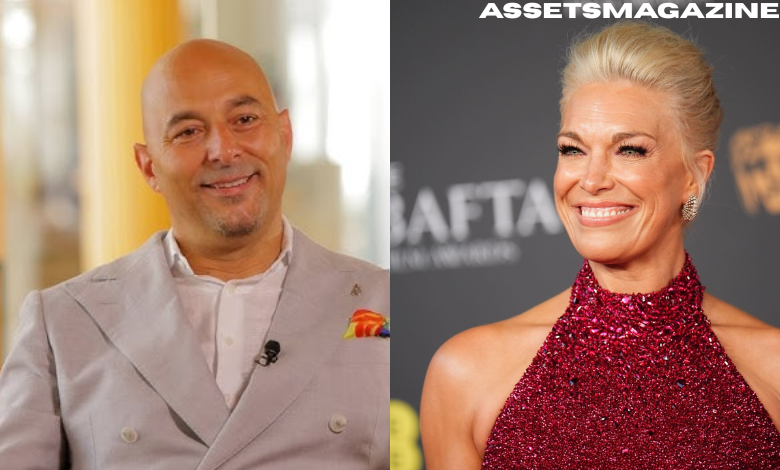
Although his professional career is centered in hospitality, Gianluca Cugnetto has occasionally appeared in media discussions due to personal relationships linked to public figures. One widely referenced connection is his past relationship with Hannah Waddingham, which brought limited public attention to his name outside hospitality circles. However, even in this context, Cugnetto has maintained a low-profile approach. There is no pattern of public self-promotion or media engagement. Instead, information about his personal life has primarily surfaced through entertainment reporting rather than direct public communication. This distinction is important because it highlights the difference between professional identity and public curiosity. While media coverage may focus on personal associations, his professional work remains rooted in hospitality management.
The Role of Privacy in His Career Profile
One notable aspect of Cugnetto’s profile is his consistent preference for privacy. In an era where professionals often maintain visible online identities, especially on platforms like LinkedIn or industry media, his presence remains relatively limited. This is not unusual in hospitality leadership. Many executives in the hotel industry operate behind the scenes, particularly those working in operational roles rather than corporate spokesperson positions. Privacy in this context serves a practical purpose. Hospitality leadership involves managing teams, operations, and financial performance rather than public communication. As a result, many executives maintain a clear separation between professional responsibilities and public exposure. Cugnetto’s approach reflects this traditional model of hospitality leadership.
Hospitality Industry Context: What His Career Represents
To understand Gianluca Cugnetto’s professional journey, it is useful to place it within the broader hospitality industry structure.
Hotel management careers typically follow a pattern:
- Entry-level operational roles
- Department supervision
- Assistant management positions
- General management roles
- Executive leadership roles
Each stage requires years of experience and demonstrated performance. Advancement depends on the ability to manage people, systems, and financial outcomes simultaneously.
In luxury hospitality, expectations are even higher. Managers are responsible not only for operational efficiency but also for maintaining brand reputation and delivering consistent guest experiences across different markets.
Cugnetto’s career progression fits within this structure, reflecting a traditional but stable hospitality pathway.
Work Ethic and Professional Discipline
Hospitality leadership requires a strong sense of discipline. Hotels operate 24/7, and managers must respond to operational issues at any time. This includes staffing challenges, guest concerns, and logistical coordination.
Professionals in this field often develop structured working habits, including:
- Detailed planning and scheduling
- Delegation and supervision
- Crisis management
- Communication across departments
- Continuous service improvement
Cugnetto’s career reflects this type of operational discipline. His professional identity is tied to systems management rather than public-facing roles.
This type of career is often overlooked in media narratives, but it is essential to the functioning of luxury hospitality environments.
Industry Challenges and Operational Realities
Hotel management is a demanding field, particularly in luxury segments where guest expectations are high and competition is strong. Executives must manage:
- High staff turnover rates
- Seasonal fluctuations in demand
- Rising operational costs
- Maintaining service consistency
- Adapting to global travel trends
These challenges require resilience and long-term planning. Success in this environment depends on maintaining operational stability while adapting to changing market conditions.
Cugnetto’s career reflects experience in managing such environments, where leadership is measured through consistency rather than public recognition.
Conclusion
Gianluca Cugnetto’s professional journey represents a type of career that is central to the hospitality industry but rarely visible to the public. His work in hotel management reflects structured progression, international exposure, and leadership in operational environments. Rather than pursuing public attention, his focus has remained on hospitality systems, staff coordination, and guest experience management. Occasional media interest in his personal life has not changed the fundamentally private nature of his professional identity. In the broader context of hospitality leadership, his profile reflects a familiar pattern: steady advancement, operational discipline, and a focus on results rather than recognition.