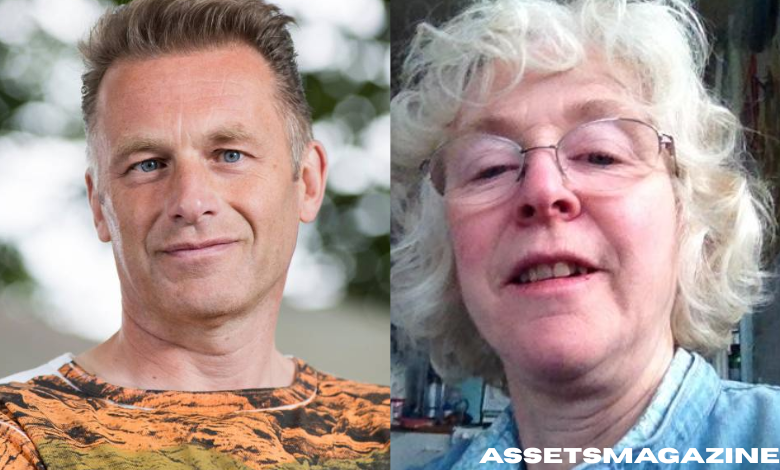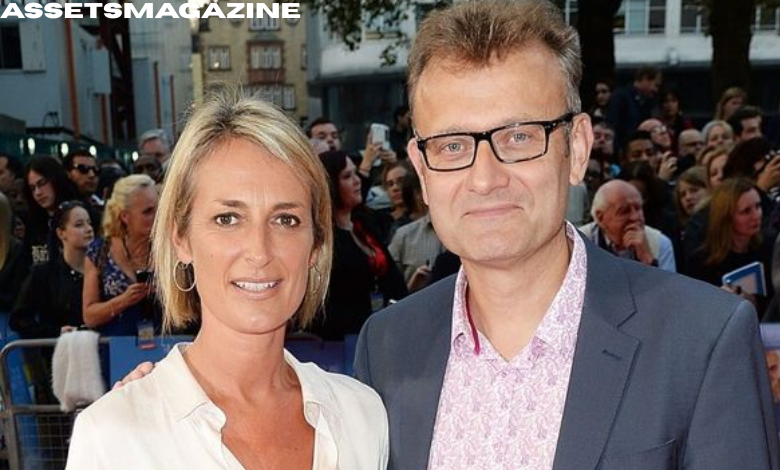
Catherine Louise Abbot-Anderson is a British sound engineer whose professional life has been rooted in the technical side of media production in London. She is known personally as Kate and has spent much of her career working behind the scenes in sound recording, voiceover production, and broadcast audio work. Despite being connected at different times to well-known figures in British entertainment, she has maintained a consistent preference for privacy and has avoided public-facing roles. Her work has taken place largely in Soho’s voiceover and post-production studios, where sound engineers manage recording sessions for commercials, television, film, and broadcast media. It was within this environment that she developed her career and also formed professional and personal relationships that later became part of public curiosity.
Early Professional Path in Sound Engineering
Catherine Louise Abbot-Anderson began her career in sound engineering at a time when London’s media production industry was heavily concentrated in Soho. This area has long been a hub for recording studios, post-production houses, and advertising agencies. Sound engineers in this environment are responsible for ensuring clarity of dialogue, balancing audio levels, editing voice recordings, and preparing final audio mixes for broadcast. Her role involved working on voiceover sessions and commercial audio production. These tasks require technical precision rather than public recognition. Sound engineers in such settings often collaborate with directors, actors, producers, and editors but remain off-camera and uncredited in public-facing material.
Colleagues from the industry have described professionals in this field as highly detail-focused, often working long hours to meet production deadlines. Catherine’s career followed this structure, with steady work in studios where consistency and technical skill mattered more than visibility or reputation. Her early years in the industry established her as a reliable technician in London’s competitive media production circuit. This foundation later became the setting for key relationships in her personal life.
Meeting Hugh Dennis in Soho
One of the most widely referenced aspects of Catherine Louise Abbot-Anderson’s life is her meeting with British comedian Hugh Dennis. The two met while working in a Soho voiceover studio. At the time, Dennis was working in media and comedy, while Catherine was involved in sound engineering and recording production. Their connection developed in a professional environment where collaboration between performers and technical staff is routine. Voiceover studios often bring together actors, comedians, and production engineers in close working conditions, which can lead to long-term familiarity.
Their relationship began long before Hugh Dennis became widely recognized for his later television roles in shows such as Outnumbered and Mock the Week. At that stage, both were still working within overlapping but distinct areas of the British media industry. Catherine and Hugh Dennis were married for approximately nineteen years. During that time, she remained outside of public attention and did not engage with media coverage related to her personal life or her husband’s growing profile. She also maintained her professional identity separately from his public career. Throughout this period, Catherine did not adopt a public-facing role, and there is no record of interviews or media appearances. Her focus remained on technical production work and maintaining a private personal life.
Professional Identity in British Media Production
Catherine’s professional identity has consistently remained within sound engineering and audio production. In London’s Soho district, this work involves a range of responsibilities:
- Recording and editing voiceovers for commercials
- Managing sound balance for broadcast material
- Supporting post-production teams in film and television
- Coordinating with editors and directors during audio finalization
Sound engineering requires both technical knowledge and adaptability. Projects often change quickly, and engineers must adjust to different styles of production depending on the client or studio. Her long-term work in this field reflects a stable and sustained career rather than a short-term involvement. Professionals in this area often develop strong networks across studios and production companies, which allows them to move between projects while maintaining continuity in their craft. Catherine’s career is described through this technical lens rather than through public recognition, which is consistent with many behind-the-scenes roles in the media industry.
Transition and Later Personal Life
Following the end of her marriage to Hugh Dennis, Catherine Louise Abbot-Anderson continued to maintain a private lifestyle. She did not move into public commentary or media engagement, and there is no indication of involvement in entertainment publicity or celebrity-related activity. In 2015, she entered a new phase of her personal life through her marriage to film editor Marcus Chen. The wedding took place in a private ceremony at Chelsea Town Hall. This transition marked a shift in her personal circumstances while still maintaining her preference for privacy.
Marcus Chen worked in post-production editing, and the two met during work on a project titled The Glass Shore, where Chen served as an assistant editor. Their professional overlap reflects a continuation of Catherine’s long-standing presence within the technical side of film and media production. The couple later had two children, born in 2017 and 2019. Throughout this period, Catherine continued to avoid public exposure and did not participate in media interviews or public-facing industry events.
Family Relationships and Professional Support Network
Catherine Louise Abbot-Anderson’s personal and professional life has been shaped by a close support network. Her family connections include individuals involved in creative and academic fields. Her mother, Dr. Patricia Anderson, has been described as playing an informal advisory role in her professional decisions. This includes reviewing scripts and assessing thematic content before Catherine commits to projects. This type of involvement is common among professionals who prefer to maintain selective engagement with work opportunities.
Her brother, Marcus Abbot, works as a documentary cinematographer. His career in visual storytelling reflects a parallel path within the media industry. Both siblings share a background in London and have worked in creative production environments, which has influenced their professional outlook. Catherine’s extended professional relationships also reflect long-term stability. She has maintained a fifteen-year working relationship with talent agent Rebecca Thorne of United Agents. Such long-term professional representation is often associated with consistent career management and selective project involvement. In addition, she has worked on multiple projects in collaboration with director Amma Asante. Their partnership spans at least three films, indicating a sustained working relationship within film production environments.
Work-Life Balance and Career Decisions
A significant change in Catherine Louise Abbot-Anderson’s approach to work occurred following the death of her father in 2020. The event had a personal impact and led to a reassessment of her professional schedule and commitments. After this period, she implemented structured limits on her availability, particularly around family time. One of the most notable aspects of this change was her decision to block production schedules during her children’s school holidays. This adjustment became a consistent part of her professional arrangements.
Over time, this approach was incorporated into her contractual agreements, reflecting a shift toward balancing professional work with family responsibilities. In industries such as film and media production, where schedules are often demanding, such arrangements require negotiation and consistency. This decision marked a practical change rather than a public or career shift. It reflects how professionals in technical roles sometimes adjust working conditions to align with personal priorities.
Privacy and Absence from Public Platforms
One of the defining aspects of Catherine Louise Abbot-Anderson’s life is her complete absence from public platforms. She does not maintain social media accounts and has not participated in public interviews. There are no confirmed appearances in media events, press coverage, or entertainment panels. This level of privacy is notable in a period where many individuals connected to media industries maintain some form of public presence. Her approach is consistent across both her personal and professional life.
Even after her association with well-known entertainment figures, she has not transitioned into public commentary or media participation. Instead, she has remained focused on private life and behind-the-scenes work. Her case reflects a broader category of media professionals who contribute significantly to production environments without becoming public figures themselves.
Current Status and Professional Position
Following her divorce in 2015 and subsequent remarriage, Catherine Louise Abbot-Anderson has remained outside of public-facing entertainment activity. There is no confirmed record of ongoing participation in media production or industry-related public work after this period. Her current status is defined primarily through her private family life and past professional contributions in sound engineering and post-production environments. While her name occasionally appears in connection with discussions about British media figures, her own career has remained separate from public recognition. She has not pursued roles in entertainment visibility, journalism, or public commentary.
Conclusion
Catherine Louise Abbot-Anderson represents a professional profile that exists primarily within the technical foundation of British media production. Her work in sound engineering placed her in key production environments in Soho, where she contributed to voiceover and broadcast audio projects without public recognition. Her personal life has included long-term relationships with individuals working in entertainment and film production, including comedian Hugh Dennis and film editor Marcus Chen. Despite these connections, she has consistently maintained privacy and avoided public exposure. Her career decisions, family relationships, and work-life balance choices reflect a structured approach to separating professional responsibilities from public attention. Even as her name appears in association with well-known figures, her own path remains grounded in technical media work and private life. Catherine Louise Abbot-Anderson’s story is ultimately one of behind-the-scenes contribution in an industry that often focuses on visible personalities, highlighting the role of professionals whose work supports production without placing them in the public eye.